Introduction: From Fragmentation to Clarity
In our previous article, we explored why school communication is so difficult. The good news is that schools around the world are finding practical, scalable solutions.
The shift is clear: from fragmented messaging to integrated communication platforms.
What Effective School Communication Looks Like
Modern school communication systems share a few core principles:
- Centralized messaging
- Multiple delivery channels
- Clear roles and permissions
- Message tracking and accountability
- Accessibility for all stakeholders
Answering the Key Questions Schools Ask
How can schools reach parents reliably?
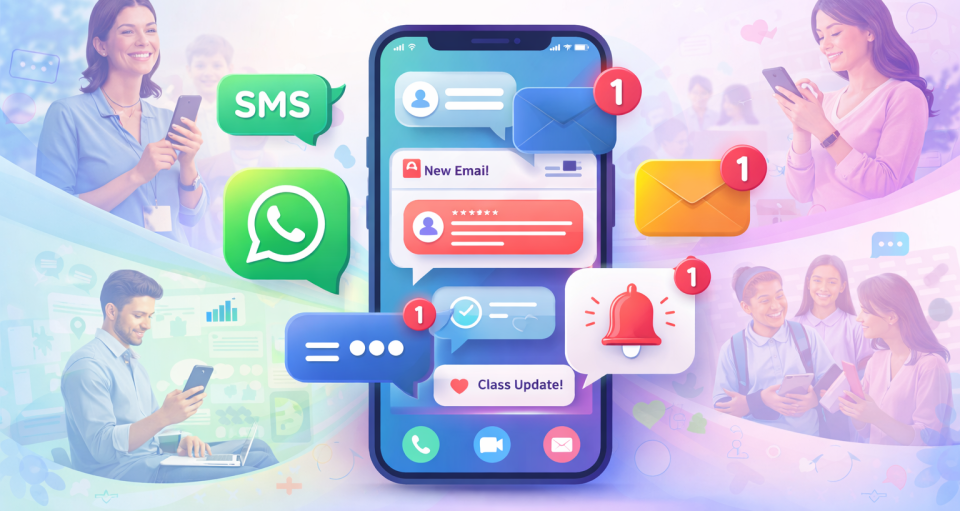
By using multiple channels such as SMS, WhatsApp, email, and mobile app notifications, schools ensure messages reach parents regardless of device or internet access.
How can teachers avoid repetitive communication?
Centralized dashboards allow teachers to send structured updates once, while the system handles delivery to the right recipients.
How can administrators maintain oversight?
Integrated platforms provide logs, delivery reports, and clear communication histories — enabling accountability and better decision-making.
How Technology Bridges the Gap
School management systems that include communication modules are increasingly becoming the standard. These platforms unify academic data, administrative workflows, and messaging into one ecosystem.
One such example is CyberShule, a school management platform designed to support comprehensive, multi-channel communication alongside core school operations.
Why Integrated Communication Matters
When communication is connected to school data — results, attendance, fees, and announcements — messages become timely, relevant, and accurate.
This integration reduces workload, improves trust, and strengthens relationships across the school community.

A Practical Path Forward for Schools
Schools looking to improve communication should start by:
- Auditing existing communication channels
- Identifying gaps and redundancies
- Adopting platforms that unify messaging
- Training staff and educating parents
Platforms like CyberShule demonstrate how communication can be seamlessly embedded into everyday school operations without disrupting workflows.
Conclusion: Communication as a Strategic Asset
In modern education, communication is not an afterthought — it is a strategic asset. Schools that invest in structured, inclusive communication systems position themselves for stronger engagement, better outcomes, and long-term trust.
The future of education belongs to schools that communicate clearly, consistently, and compassionately.