In modern education, data is more than just numbers—it's the key to understanding student performance, predicting outcomes, and making informed decisions. Yet many schools struggle to harness the full potential of their student data.
Why Schools Struggle With Student Data
Even when schools collect basic information like attendance or grades, many fail to capture other critical factors:
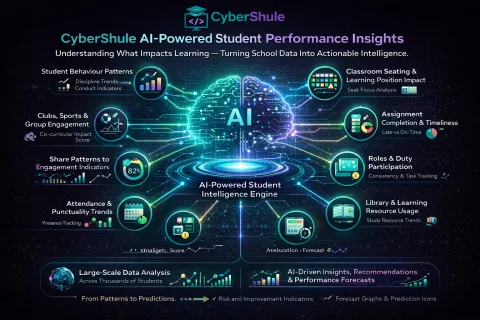
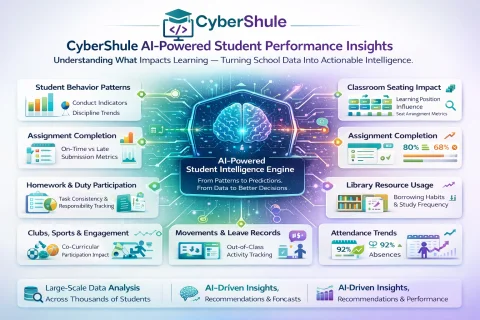
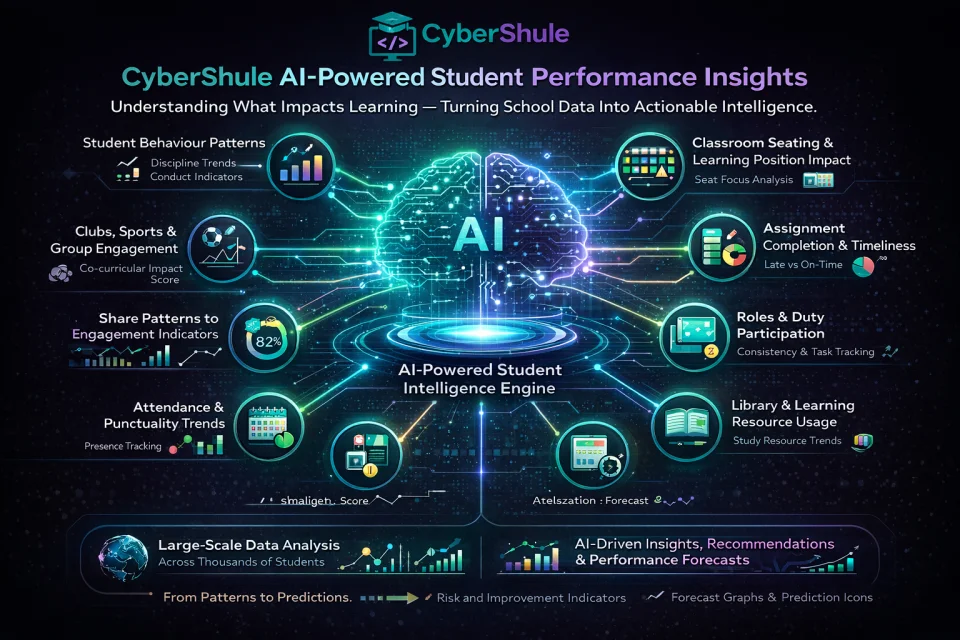
- Seating positions and classroom dynamics
- Behaviour and participation trends
- Assignment submission patterns and timeliness
- Library usage and learning resource engagement
- Club, sports, and group involvement
- Student movement within the school or leave records
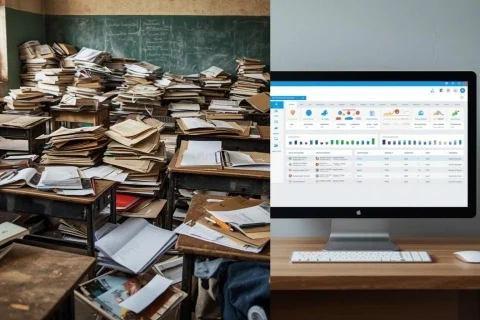
Most of this data remains untracked or scattered across spreadsheets, making it nearly impossible for teachers or administrators to interpret correlations or patterns.
The Problem With Raw Data
Having data is one thing; using it effectively is another. Raw data alone cannot:
- Predict student performance trends
- Highlight potential areas of improvement
- Identify which behaviours or activities impact learning outcomes
- Provide actionable recommendations for teachers or parents
Without the right tools, schools often rely on intuition rather than evidence-based strategies, which can leave students’ potential under-optimized.
The Missed Opportunity
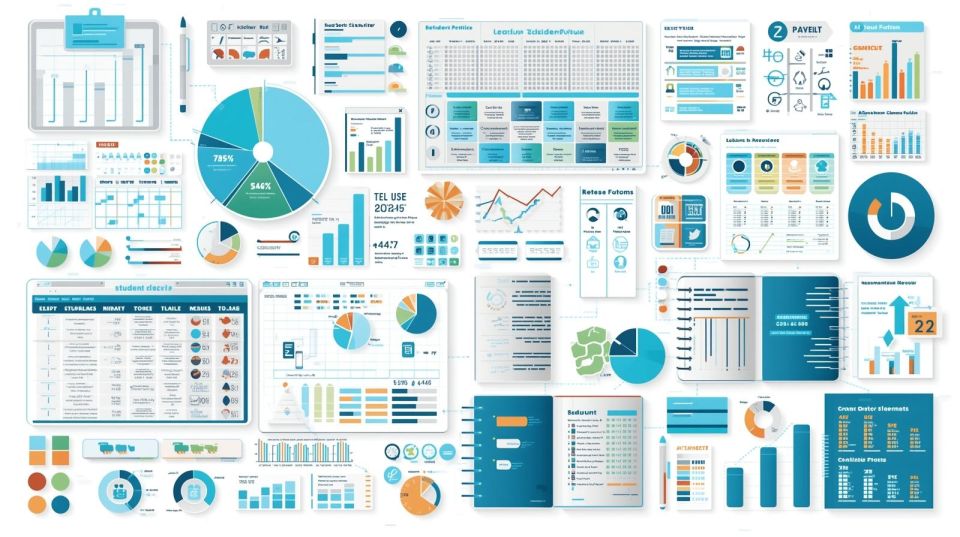
Schools sit on valuable insights they can’t access. Imagine knowing how attendance patterns, duty completion, assignment submission timing, and even seating positions affect academic performance—but lacking the ability to visualize, analyze, or act on that data.
This is the challenge of modern schools: raw data exists, but insight is missing.
Conclusion
Schools without structured, actionable insights often miss opportunities to improve student performance. Understanding the challenge is the first step toward smarter education management.